FIELD NOTES BLOG

Jillian's Farewell

jillian.americorps
June 3, 2024

In the beginning of June, I will be wrapping up my time as an AmeriCorps Member here at Severson Dells, and I couldn’t be more grateful for all the experiences I’ve had over the last few years. When I first started in the spring of 2021, I had recently graduated with a degree in Plant and Microbial Biology, and I was still trying to figure out where my career path would take me. Now, three years later, I am excited to begin my next chapter as a graduate student at UW-Madison studying landscape ecology.  


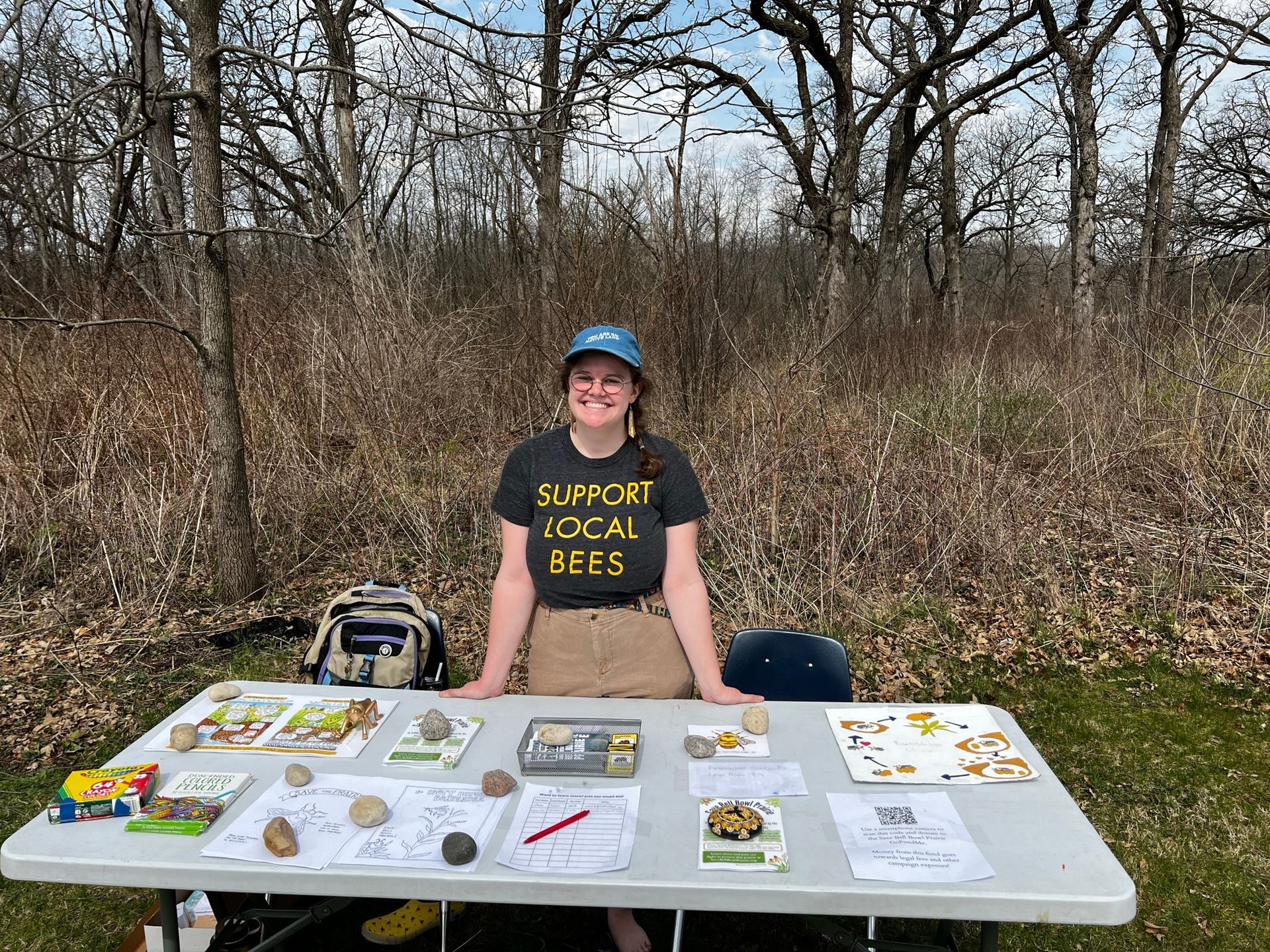
Throughout my three terms with Severson Dells, I have learned so much and grown both personally and professionally. My work on projects like community science, habitat restoration, and environmental education has made me a better communicator and- if possible- an even bigger data nerd. These programs showed me the importance of involving community members in the scientific process, not just because it improves overall science and nature literacy while bridging what can sometimes be a daunting gap between scientists and the public, but also because people genuinely want to be involved and learn more about the world around them and what it means to do science. 
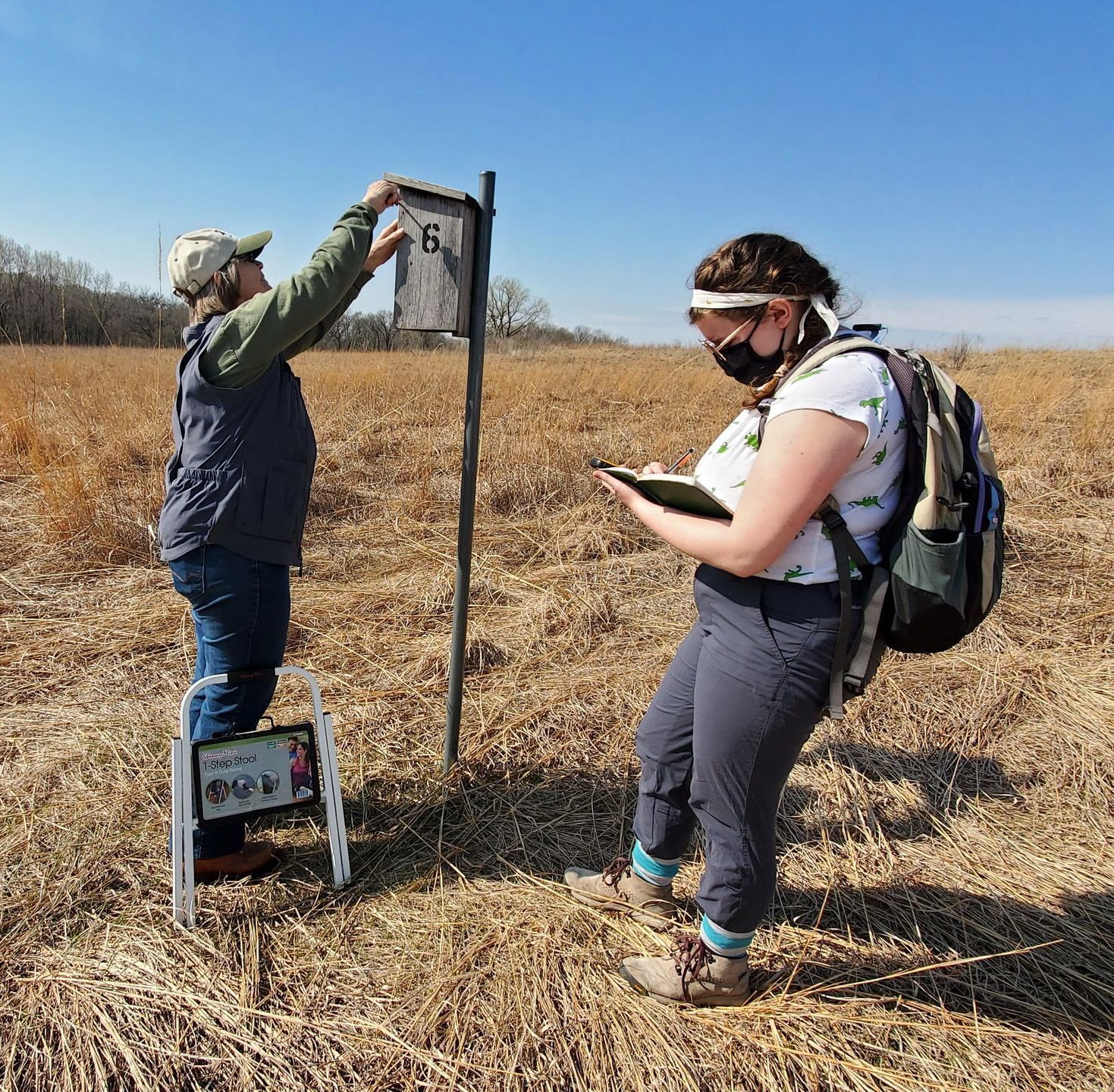
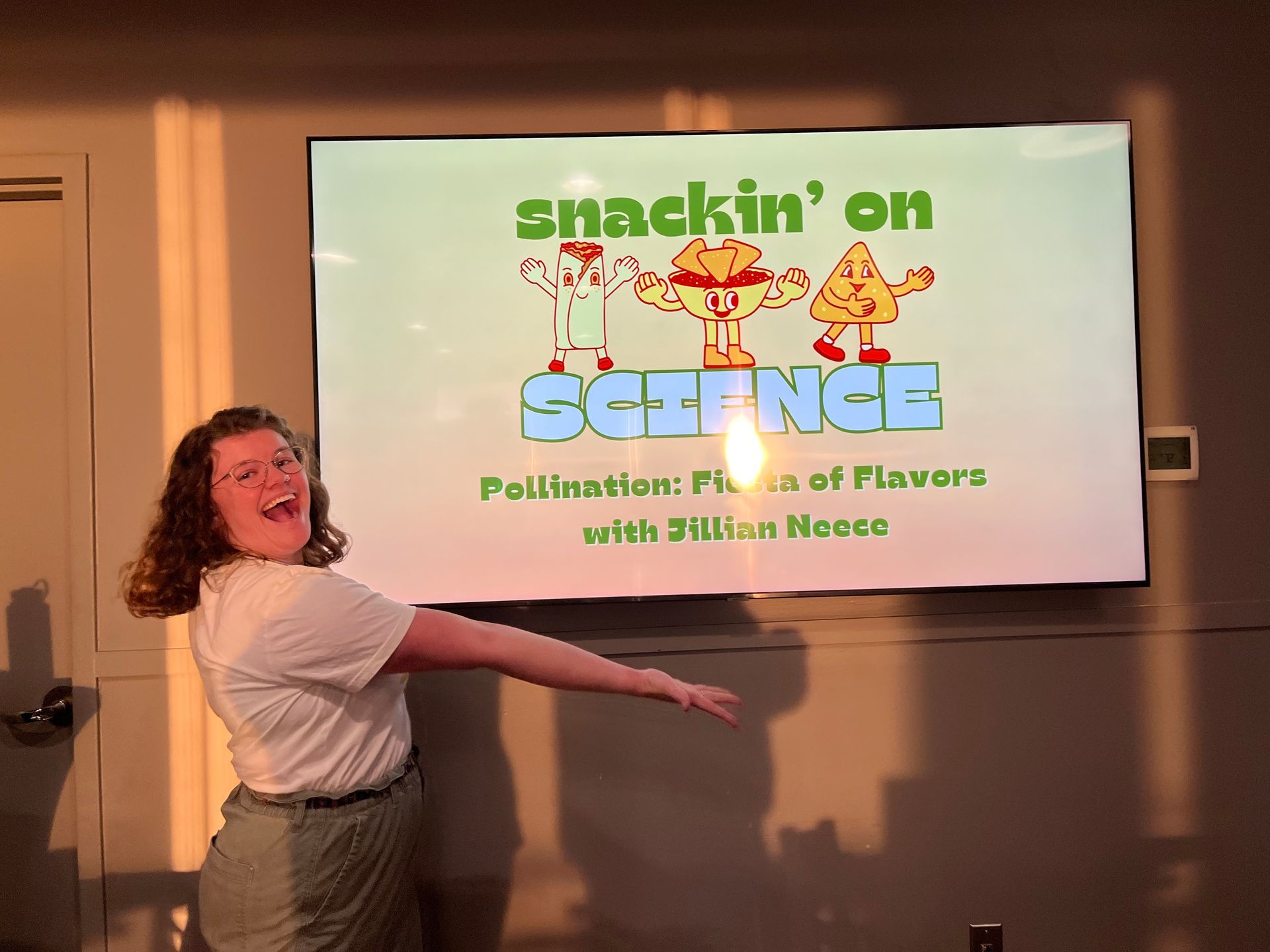
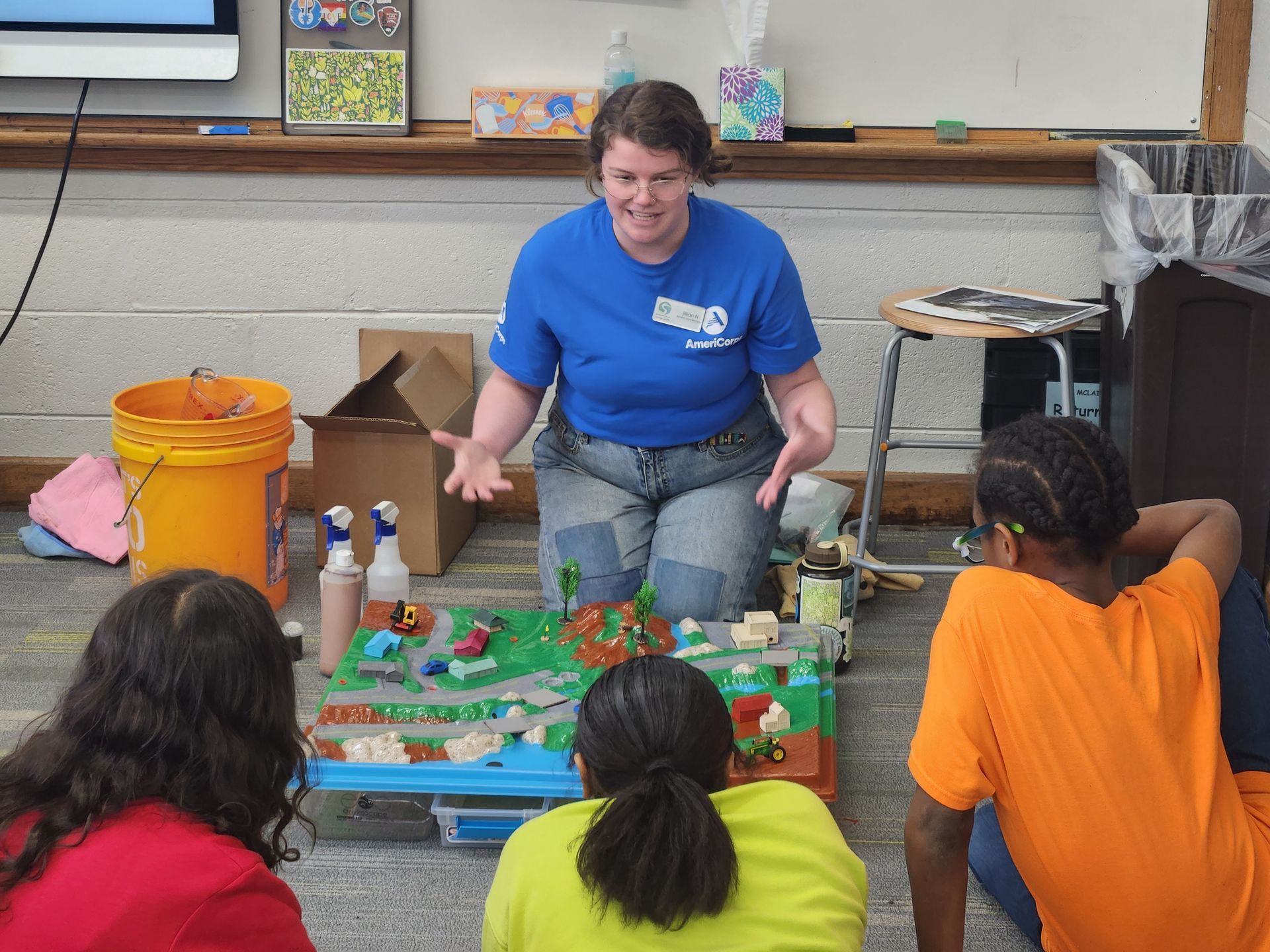
I can also see how much I’ve grown through how comfortable I am at taking on projects that would have terrified me when I first started here. Training and mentorship from Severson staff members have instilled a new confidence in me when it comes to things like leading school programs (something I was VERY intimidated by), making and delivering presentations, and creating educational social media content. As I transition back into the academic realm, I’m sure these skills will be crucial, and I’m grateful for encouragement and gentle nudges from my Severson mentors as I worked on developing them. 


Overall, my time at Severson Dells Nature Center has reminded me of the importance of finding awe and wonder in the world around us.  I’ll certainly miss being in such a collaborative, imaginative, and oftentimes goofy work environment, and all the people that make it that way. I’ve met so many amazing people through this position, and all of these personal and professional relationships that I’ve built here have helped craft me into the human and the scientist/communicator/educator that I am today. As beautiful as Severson Dells is as a place, I’ve learned that the community that makes up Severson Dells Nature Center is even more precious and inspiring. 

RECENT ARTICLES

By Emma Zimmerman May 19, 2026
Science literacy may not be a term you hear every day, but it is something that shapes your life and the community around you in more ways than you might realize. Science literacy is the ability to understand, evaluate, and apply scientific concepts to make informed decisions regarding the world around us. Science is intertwined in nearly every part of our lives, but it can still feel intimidating and inaccessible at times, and that is largely because our society has a science literacy gap . Science can be complicated and challenging to understand, and this feeling is more common than we often admit. By making science more accessible through environmental education, we work to break down these barriers and build a more scientifically literate society. A scientifically literate society is a resilient society that is better prepared to solve climate problems, advocate for change, and build a more sustainable future.
By Emma Zimmerman May 12, 2026
If March felt unusually warm where you live this year, you weren’t imagining it. March 2026 wasn’t just the warmest March on record in the United States; it was the most abnormally warm month ever recorded in the lower 48 states, according to National Oceanic and Atmospheric Administration data . That means no other month in our recorded history has ever been this far above average. On average, temperatures across the country reached approximately 50.85°F, which is 9.35°F above what’s considered normal for March based on 20th-century data. What is even more concerning is that the entire year leading up to it, from April 2025 through March 2026, was the warmest 12-month period ever recorded in the continental United States. This news should be sounding alarms everywhere.
By Emma Zimmerman May 6, 2026
As the weather warms and we spend more time outdoors, so do our other far from welcome companions: ticks! Over the past few decades, tick populations and their geographic range have expanded in northern Illinois. We’re now encountering more ticks than before, and a greater number of them carry diseases. This isn’t a reason to avoid going outside, but it is something we should all be aware of and prepared for as we inevitably encounter them this summer. Consider this your guide to staying safe during tick season.